Low Libido After 40: Causes, Symptoms & What Actually Helps
Struggling with low libido after 40? You’re not alone. Many women notice changes in their sex drive during their 40s, especially as they approach perimenopause and menopause. Here’s what causes it—and what actually helps.
Why Women’s Libido Changes After 40 (And What Actually Helps)
You used to look forward to intimacy. Now some nights you’d rather finish your book and go to sleep — and you’re not entirely sure when that shifted. If you’re experiencing low libido after 40, you’re not broken—and you’re definitely not alone. Millions of women experience changes in sexual desire during midlife, and there are real physical and emotional reasons behind them.
Low libido after 40 is one of the most common — and least talked about — experiences women face during midlife. The good news? Understanding why it happens is the first step to feeling like yourself again.
Studies suggest that around 30–50% of women experience some degree of reduced sexual desire during perimenopause and menopause, making low libido one of the most common sexual health concerns during midlife.
Why Low Libido After 40 Happens
This isn’t in your head. The changes you’re feeling have real, measurable biological causes — and they’re happening to millions of women right now.
Hormonal Changes
The most significant driver of libido changes after 40 in women is hormonal fluctuation. As you approach perimenopause — which can begin as early as your late 30s — estrogen and progesterone levels start to decline. Testosterone, which plays a surprisingly important role in female desire, also drops during this period.
Lower estrogen means less blood flow to the genitals, reduced natural lubrication, and sometimes discomfort during sex. When intimacy starts to feel physically uncomfortable, desire naturally follows.
According to the North American Menopause Society, hormonal changes during perimenopause can significantly affect sexual desire, vaginal lubrication, and overall sexual function.
Physical Factors
Beyond hormones, several physical changes contribute:
- Vaginal dryness — one of the most common complaints among women 40+, caused directly by declining estrogen
- Fatigue — changing sleep patterns in perimenopause leave many women genuinely exhausted
- Thyroid changes — often overlooked, thyroid dysfunction becomes more common after 40 and directly affects energy and libido
- Medications — antidepressants, blood pressure medications, and hormonal contraceptives can all suppress desire
Emotional and Relationship Factors
Libido doesn’t live in the body alone. Stress, body image shifts, relationship dynamics, and mental load all play a role.
Women in their 40s are often managing careers, aging parents, teenagers, and the emotional labor of running a household. By the end of the day, there may simply be nothing left. This isn’t a character flaw — it’s biology meeting circumstance.

What Actually Helps — Practical Solutions That Work
The encouraging news is that low libido after 40 is often treatable once you identify the underlying cause. Here’s what can help.
Lifestyle Changes Worth Making
Before reaching for supplements or products, these foundational shifts make a measurable difference:
Prioritize sleep. Testosterone production in women happens largely during deep sleep. Poor sleep directly suppresses desire. Even one extra hour can shift things noticeably.
Exercise — especially strength training. Resistance training increases testosterone naturally and improves body image, both of which support libido. Aim for 2–3 sessions per week.
Manage stress actively. Cortisol — the stress hormone — is the enemy of estrogen. Chronic stress essentially tells your body reproduction is not a priority. Meditation, therapy, and even regular walks outdoors have measurable hormonal effects.
Communicate with your partner. Research consistently shows that open conversations about changing desire — without blame — reduce relationship tension and often improve intimacy more than any supplement.
[How to Reconnect With Your Partner After 40]
Address Vaginal Dryness First
This is the single most overlooked factor. Many women assume low desire is purely psychological when the real issue is that sex has become uncomfortable or painful.
A high-quality lubricant can change this immediately. Good Clean Love makes organic, pH-balanced lubricants specifically formulated for women experiencing hormonal dryness — free from glycerin, parabens, and petrochemicals that can cause irritation.
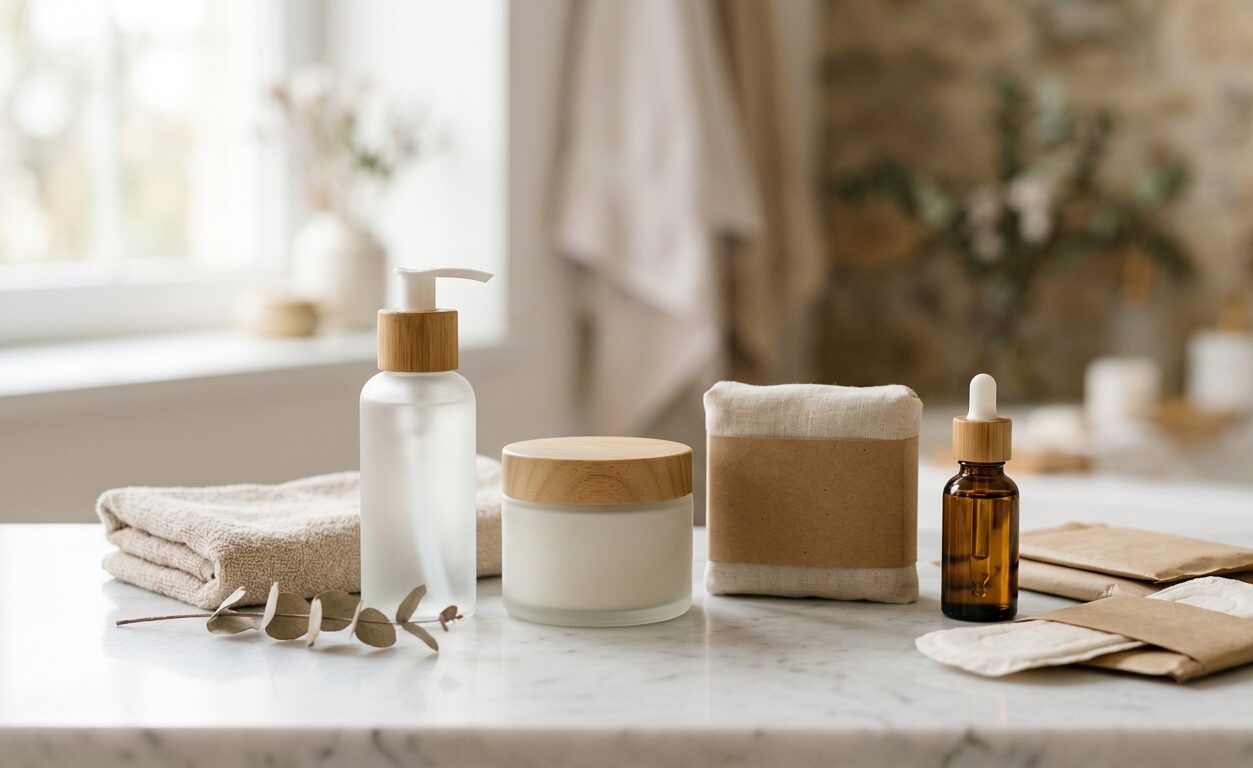
Lifestyle changes often make the biggest difference. However, if vaginal dryness or reduced arousal continues to affect intimacy, certain products may help make sex more comfortable and enjoyable.
Products Worth Trying
For arousal and sensation: Foria Intimacy Awaken is an arousal serum containing CBD and botanicals that increases blood flow and sensitivity. It’s become a quiet favorite among women navigating perimenopause who want to reconnect with physical sensation without hormones.
For couples: If your partner is experiencing their own changes — performance anxiety, timing issues — Promescent offers clinically-backed intimacy products that help both partners feel more at ease and present.
These aren’t magic fixes. They’re tools that remove common physical barriers so desire has space to return naturally.
Consider Speaking to Your Doctor About Hormones
For women in perimenopause or menopause, Hormone Replacement Therapy (HRT) or localized estrogen therapy can be genuinely life-changing for libido, vaginal dryness, and overall quality of life. The conversation around HRT has evolved significantly — many of the fears from older studies have been updated by newer research from the North American Menopause Society.
[Does HRT Help With Intimacy? What Doctors Actually Say]
When to See a Doctor
Low libido is worth a medical conversation if:
- It’s causing you significant distress
- It came on suddenly rather than gradually
- You’re experiencing pain during sex
- You’re also experiencing mood changes, hair loss, or unexplained fatigue
These can signal thyroid issues, hormonal imbalances, or other treatable conditions. A simple blood panel can reveal a lot.
Don’t accept “this is just aging” as a complete answer. You deserve more than that.
The Bottom Line
Low libido after 40 in women is normal, common, and — importantly — not permanent. Hormonal shifts, physical changes, stress, and relationship dynamics all play a role. But with the right support, most women find their way back to a fulfilling intimate life.
Start with the basics: sleep, movement, stress management, and honest conversation. Address physical barriers like dryness. And don’t hesitate to explore products or medical options that can help.
You’re not past your prime. You’re just in a different chapter — and this one can be just as rich.
Frequently Asked Questions
Is low libido after 40 normal for women?
Yes, extremely common. Hormonal fluctuations during perimenopause and menopause are the primary cause. Studies suggest up to 40% of women experience reduced desire during midlife, though the degree varies significantly between individuals.
Can low libido after 40 be reversed?
In most cases, yes. Addressing the underlying cause — whether hormonal, physical, emotional, or relational — typically improves desire significantly. Many women report that libido actually improves in their 50s once menopause is complete and hormones stabilize.
What vitamins or supplements help with female libido after 40?
Maca root, ashwagandha, and magnesium have the strongest evidence for supporting female libido in midlife. Always speak with your doctor before adding supplements, especially if you’re on medication.
[Best Libido Supplements for Women Over 40]
This article is for informational purposes only and does not constitute medical advice. Please consult your healthcare provider for personalized guidance.